
Quick answer
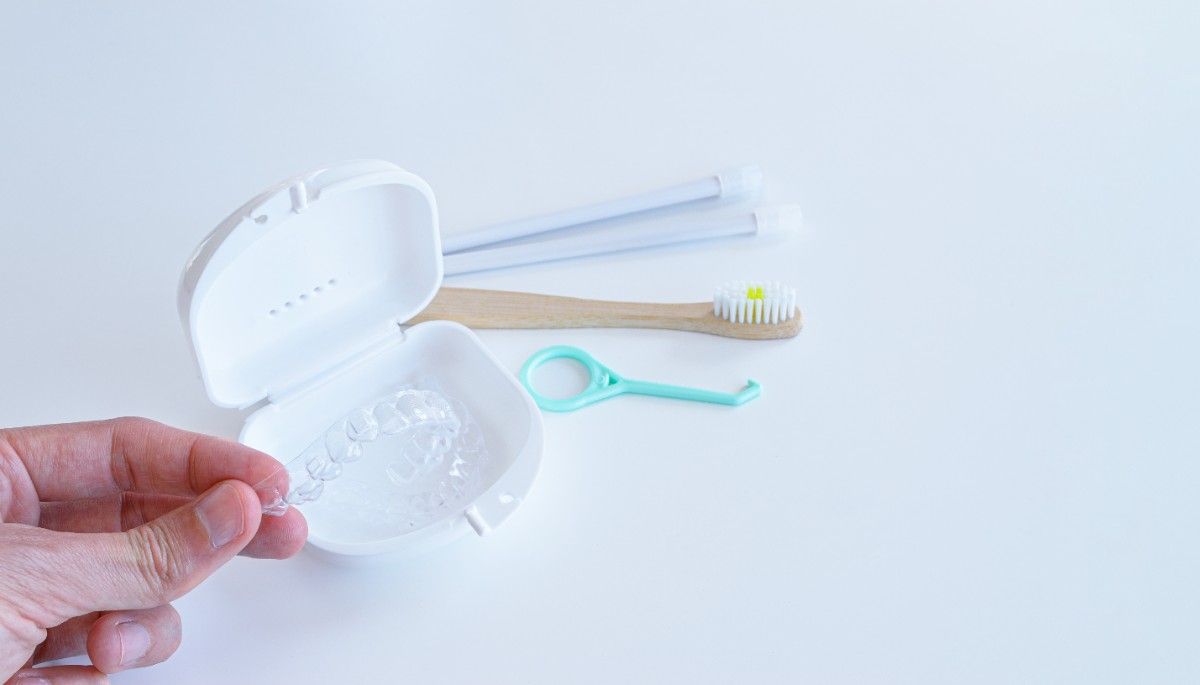
Invisalign chewies are small, cushioned rolls you bite down on to press your clear aligners fully against your teeth. Using them daily removes tiny air gaps between the tray and your teeth, which helps each aligner track properly and keeps treatment on schedule.
3-10 months
Average treatment time
~24 hours/day
Recommended aligner wear
5-10 min
Chewie use per new tray
Diamond
Invisalign Provider status
Key takeaways
- Chewies help seat aligners completely so there are no air gaps between the tray and your teeth.
- Bite on a chewie for about five to ten minutes when you place a new set, working through every section of your mouth.
- They support consistent tooth movement but are not a shortcut to faster results.
- Invisalign uses clear, removable aligners custom-made from a 3D scan and is suitable for kids, teens, adults, and the elderly.
- Dr. Yaerin Lee, a Diamond Invisalign Provider in Dedham, MA, guides your routine from start to finish.
What Are Invisalign Chewies (or Munchies)?
Invisalign chewies are small, spongy cylinders that you bite down on to press your clear aligners firmly against your teeth. Their job is simple but important: they close the tiny air gaps that can form between the tray and your tooth surfaces, so each aligner does exactly what it was designed to do.
Quick answer: definition and purpose
A chewie is a soft, foam-like roll, usually made from a medical-grade cushioning material. When you bite on it repeatedly, the gentle pressure helps your aligner settle completely over your teeth. According to Healthline's overview of chewies, this fuller seating is what allows the aligner to transmit its planned forces to your teeth.
Chewies vs. munchies: are they the same thing?
Yes, chewies and munchies are essentially the same tool sold under different brand names. Both are cushioned rolls you bite on to seat your aligners. Some people also call them aligner seaters. The material, purpose, and technique are the same regardless of the name printed on the package.
What they are made of and how they feel
Most chewies are made from a soft, pliable polymer that springs back after each bite. They feel a bit like chewing a firm eraser or a piece of dense foam. Many come lightly scented, such as mint, though the flavoring does not affect how well they work. They are designed to be reused, not swallowed or eaten.
Why Chewies Matter for Your Invisalign Treatment
Chewies matter because a well-seated aligner is a working aligner. If your tray sits even slightly off your teeth, the planned tooth movement slows, and your set may not track as intended.
Seating aligners fully against your teeth
When you first place a fresh tray, it often does not snap all the way down on its own. Biting on a chewie applies even pressure across the arch so the aligner hugs each tooth, including the attachments bonded to your enamel. Invisalign uses clear, removable aligners custom-made from a 3D scan, and that precise fit is what turns the digital plan into real movement.
Reducing air gaps that slow tooth movement
Small pockets of air between the tray and a tooth mean the aligner is not delivering its full force to that tooth. Over time, these gaps can cause an aligner to fit poorly, which is often described as the tray not tracking. Chewies help squeeze those gaps out, so the pressure is distributed as intended.
Keeping treatment on schedule
An average Invisalign treatment lasts about 3 to 10 months, and patients often begin to see changes within that same timeframe. Consistent chewie use protects that timeline. A tray that seats poorly on day one can put your progress behind, so a few minutes of chewie use is a small investment in staying on track.
A note from Dr. Yaerin Lee
"I tell every patient that chewies are not optional extras. Five focused minutes when you switch trays does more to keep treatment on schedule than almost anything else you can do at home."
How to Use Invisalign Chewies Step by Step
To use a chewie, place your aligners, then bite down on the chewie in short, repeated presses across every part of your mouth. The goal is even, gentle pressure, not one hard clamp.
Insert your clean aligners
Wash your hands, place your top and bottom trays, and make sure they are pressed on with your fingertips first.
Position the chewie
Set the chewie between your upper and lower teeth toward the front of your mouth.
Bite in gentle, steady presses
Bite down and release repeatedly for a slow count, letting the cushion rebound each time rather than clenching hard.
Move through each section
Shift the chewie to the right side, then the left, and finally the back molars, so every zone gets even pressure.
Store it for reuse
Rinse the chewie, let it dry, and keep it in a clean case until next time.
When to bite down on a chewie
The most important moment is right after you insert a brand-new set of aligners. This is when trays are tightest and least likely to seat on their own. Many patients also do a quick round each time they reinsert their aligners after brushing and flossing.
How long and how often to chew
Aim for about five to ten minutes per new tray, spread across your mouth. You do not need to chew for an hour. Short, consistent sessions work better than one long, forceful one.
Working through each section of your mouth
Divide your mouth into front, right, left, and back regions. Give each region the same attention. Uneven biting can leave one area under-seated while another is fully down, so a deliberate rotation helps every tooth get its share of pressure.
How Often Should You Use Chewies?
Use chewies at least once daily, and more often during the first two to three days on a new tray. This matches the rhythm of Invisalign, where you wear the aligners for almost 24 hours a day and remove them only to brush and floss.
Recommended daily routine
A simple habit is to do a chewie round after your oral hygiene routine, when you reinsert your clean trays. This pairs a new habit with one you already have, which makes it easier to remember. Wearing your aligners nearly full time is the foundation, and chewies make sure that full-time wear is actually moving your teeth.
Extra use with new aligner trays
New trays deserve extra attention. For the first few days of any set, run through your chewie routine two or three times a day. This is when air gaps are most likely, and early seating sets the tone for how well that tray performs.
Signs you may not be seating aligners fully
Watch for a visible space between the edge of your aligner and the biting surface of a tooth. You may also notice a tray that feels loose sooner than expected. If you see these signs, add more chewie sessions and contact your dentist if the gap does not close.
Do Chewies Speed Up Invisalign Results?
Chewies do not speed up your treatment beyond its planned pace, but they do help you stay on the fastest healthy timeline your plan allows. Their real value is keeping trays fully seated so no time is lost to poor tracking.
Consistency vs. shortcuts
The honest takeaway is that consistency beats shortcuts. There is no chewie technique that safely compresses months of movement into days. What chewies do reliably is prevent the delays caused by under-seated trays, and that is where they earn their place in your routine.
Precautions and Care Tips
Keep your chewies clean, replace them when they wear out, and expect some mild soreness early in treatment. These simple precautions keep chewies helpful rather than a source of irritation.
Use these
- Rinse chewies with water after each use
- Store them dry in a clean case
- Replace them when they flatten or tear
- Bite in gentle, repeated presses
Avoid these
- Chewing hard enough to bruise your gums
- Sharing chewies with another person
- Using a chewie that is cracked or crumbling
- Substituting hard objects like pens or pencils
Cleaning and reusing your chewies
Rinse each chewie under warm water after use, then let it air-dry. A gentle wash keeps bacteria down. Because they are reusable, one chewie can last for a while with proper care.
When to replace them
Replace a chewie when it loses its bounce, flattens permanently, or shows any tears. A worn chewie cannot distribute pressure evenly, so it stops working well. Many patients keep a spare on hand for this reason.
Managing early treatment soreness
Mild tenderness in the first days of a new tray is normal, and research comparing short-term oral impacts of Invisalign and fixed appliances found that aligners are generally well tolerated. Gentle chewie use can actually ease pressure by helping trays settle. If discomfort feels sharp or persists, pause and reach out to your dentist.
Getting Chewies and Invisalign Guidance in Dedham, MA
At our Dedham, MA practice, we build chewie use into your Invisalign plan from the very first tray, and we make sure you know exactly how and when to use them. Invisalign is suitable for almost everyone and works for kids, teens, adults, and the elderly, with no surgical treatment needed.
How our team supports your aligner routine
Dr. Yaerin Lee is a Diamond Invisalign Provider affiliated with the American Dental Association and the Academy of General Dentistry, with extensive experience in Invisalign. Our team shows you how to seat each tray, provides chewies, and checks your fit at every visit. Because you can remove your aligners to brush and floss, you also lower your risk of cavities, gum disease, and bone loss.
When to contact your dentist
Reach out if a tray will not seat despite regular chewie use, if you see a persistent gap, or if soreness does not settle. Early calls prevent small tracking issues from becoming bigger delays. You can schedule a visit online or call us at 781-326-6260.
Dr. Yaerin Lee, a Diamond Invisalign Provider, earned her Bachelor of Arts in Biology from Case Western Reserve University and her Doctor of Dental Surgery (DDS) from NYU College of Dentistry. With a focus on cosmetic, reconstructive, and preventive dentistry, she is dedicated to providing advanced care through ongoing education and membership in leading organizations, including the ADA, AGD, and AACD. Passionate about community service, Dr. Lee has also participated in outreach programs bringing dental care to underserved children. She believes a smile is the most beautiful expression and is committed to helping patients achieve and maintain theirs with compassion and excellence.
Frequently Asked Questions
Q: What are Invisalign chewies used for?
Chewies are soft rolls you bite on to press your aligners fully against your teeth. They remove tiny air gaps so each tray delivers its planned pressure and your teeth move on schedule.
Q: Is everyone supposed to use chewies with Invisalign?
Most patients benefit from chewies because they help every tray seat completely. Your dentist will confirm your routine, but daily chewie use is a standard, low-effort way to keep your treatment tracking on track,
Q: How long should I bite on Invisalign chewies each day?
Aim for about five to ten minutes when you place a new tray, working the chewie through the front, sides, and back of your mouth in gentle, repeated presses. Use them two to three times a day for the first few days of a new set.
Q: Do Invisalign chewies actually speed up treatment?
Chewies do not shorten your planned timeline, but they prevent delays from poorly seated trays. Consistent use keeps you on the fastest healthy pace your plan allows, rather than adding weeks due to tracking problems.
Q: Can I reuse my Invisalign chewies?
Yes. Rinse each chewie with water, let it air dry, and store it in a clean case. Replace it once it flattens, loses its bounce, or shows any tears so it can still spread pressure evenly.
Q: What is the difference between chewies and munchies?
There is no real difference. Chewies and munchies are the same type of cushioned aligner seater sold under different brand names, with the same material, purpose, and biting technique.
For directions, use this helpful Google Maps link or get step-by-step navigation via Get Directions .
Remember: Wear your aligners for almost 24 hours a day, removing them only to brush and floss, and use your chewies daily for a full, even fit.
Disclaimer:This article is for general information only and is not a substitute for personalized advice from your dentist regarding your Invisalign treatment.